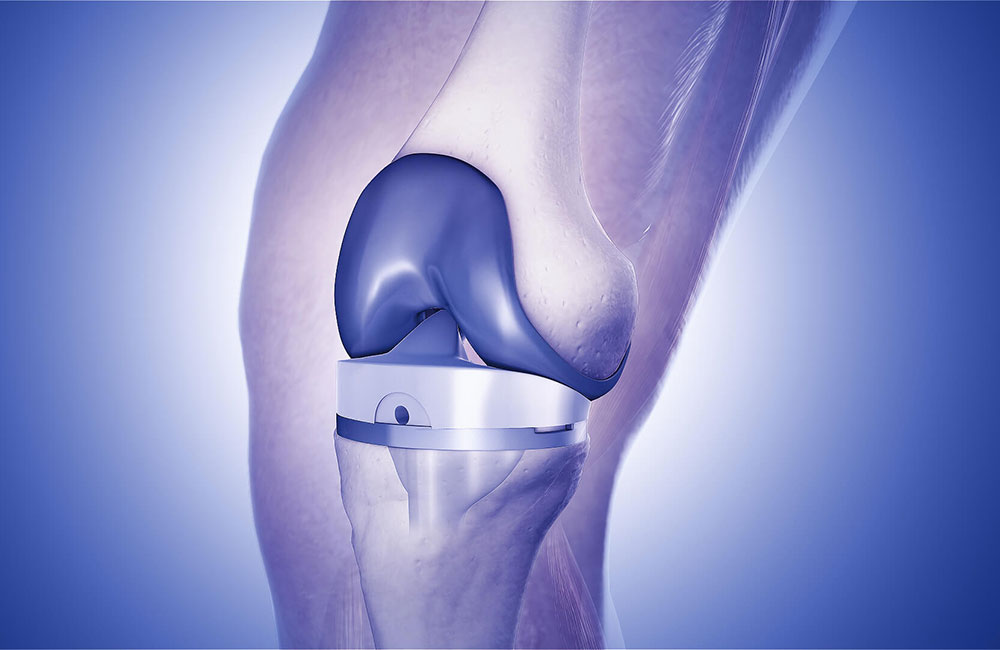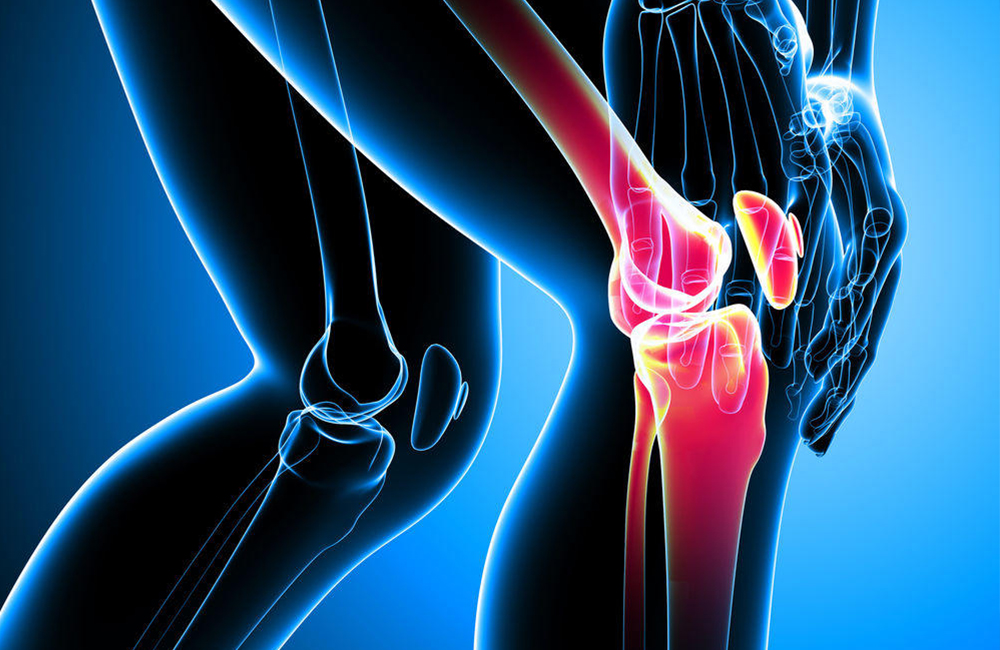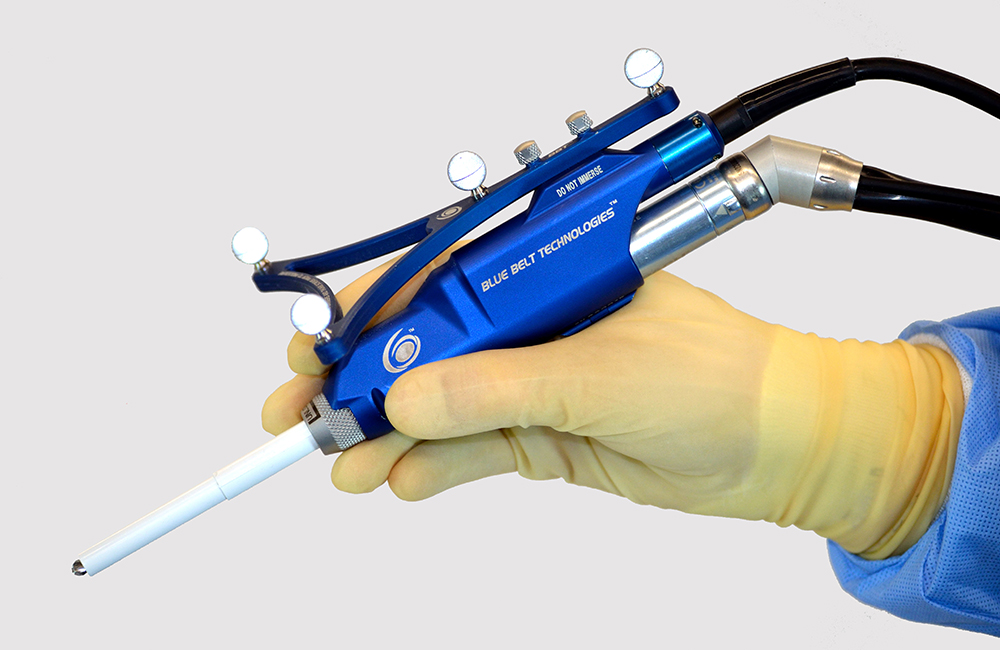
Technology has made planning and execution in knee replacement surgery more controlled. Robotic knee replacement helps the surgeon apply the preoperative plan step by step during surgery with navigation + robotic arm support. The goal is to place the implant in the most anatomically appropriate position for the individual and to optimize balance and alignment by measuring them during the operation.
What Is Robotic Knee Replacement?
Robotic knee replacement surgery is a method in which, while joint surfaces are resurfaced in conditions such as advanced osteoarthritis (gonarthrosis), a robotic system provides the surgeon with measurement and guidance support. The robot does not perform the surgery “on its own”; the surgeon operates. The robotic system helps the planned bone cuts and implant placement be carried out with millimetric precision.
How Is Robotic Knee Replacement Surgery Performed?
- Planning: A surgical plan is created using imaging such as your knee X-ray and/or CT scan.
- Measurements during surgery: With tracking components placed on the bone, the system collects data about knee motion and alignment.
- Robotic arm support: The surgeon prepares the bone within the planned boundaries; the system helps reduce “deviation from the plan.”
- Implant placement: Once the cuts are completed, the implant components are positioned and stability and balance are rechecked.
Note: Robotic systems and workflow may vary depending on the technology used (e.g., platforms such as MAKO robotic knee replacement, ROSA robotic knee replacement); the core principle is planning + intraoperative verification.
Advantages of Robotic Knee Replacement
Robotic assistance may contribute especially to the following goals:
- Personalized placement plan: Anatomical differences can be managed more clearly.
- Alignment and balance control: With real-time measurements during surgery, soft-tissue balance can be evaluated in a more controlled way.
- Functional recovery: In some patients, more comfortable movement and a more predictable rehabilitation process are targeted.
Medical note: Outcomes vary depending on the patient’s bone structure, degree of deformity, weight, muscle strength, comorbidities, and adherence to rehabilitation.
Robotic Knee Replacement Video
Who May Benefit More from Robotic Knee Replacement?
Although robotic assistance can benefit many patients, it may be particularly meaningful in the following groups:
- Patients who have had previous femur (thigh bone) and/or tibia (shin bone) surgery
- Patients with marked leg deformity (such as varus/valgus)
- “Borderline” cases in which knee balance and alignment are more difficult
Who May Not Be Suitable?
In some patients, robotic assistance may not be appropriate due to the placement of tracking systems and technical challenges:
- Technical limitations such as severe obesity and/or very short leg length + thick extremity
- Selected cases in which the surgeon prefers a different method due to skin/bone structure or accompanying conditions
Is the Implant Used in Robotic Knee Replacement Different?
In general, the implant itself is the same; the difference lies in the planning, measurement, and robotic/navigation-assisted process used during implant positioning. (The “personalized” part is more related to tracking/measurement and certain system components.)
Recovery and Rehabilitation After Robotic Knee Replacement
Rehabilitation principles are similar to conventional knee replacement:
- In most patients, the goal is mobilization and safe walking starting the day after surgery.
- During the hospital stay, walking and range-of-motion exercises are supported.
- A significant portion of patients return to daily life more actively within 1–2 months (varies from person to person).
Are There Any Disadvantages of Robotic Knee Replacement?
Yes—like any technology, it has limitations:
- Operating time: It may be longer due to system setup and measurement steps.
- Additional small incisions: There may be small extra entry sites for tracking devices.
- Cost: Because of the robotic system and personalized consumables/setup elements, the price of robotic knee replacement may be higher than the conventional method.
Frequently Asked Questions
Is robotic knee replacement surgery painful?
As in any knee replacement surgery, modern anesthesia and pain-control protocols are used for pain management. Pain levels vary from person to person.
Does robotic knee replacement last longer?
The aim is to support long-term performance through more accurate positioning and balance. However, implant longevity is affected by many factors such as weight, activity level, bone quality, and regular follow-up.
Where is robotic knee replacement performed in Istanbul?
It is performed in hospitals/centers with robotic surgery infrastructure; the most important point is the surgeon’s experience and the team’s process management. Prof. Dr. Haluk Çabuk can support you with the most advanced methods in this field.
What is MAKO robotic knee replacement?
MAKO is one of the platforms used in robot-assisted joint replacement surgery; the fundamental approach is to provide intraoperative measurement and robotic arm support aligned with the surgeon’s plan.
What is ROSA robotic knee replacement?
ROSA is one of the platforms used in robot-assisted joint replacement surgery. With a robotic arm and optical tracking, it provides intraoperative measurement/feedback for bone cuts and implant positioning; it helps evaluate soft-tissue gaps.
Is Robotic Knee Replacement Right for You?
Is robotic knee replacement appropriate for you due to knee osteoarthritis? Let’s evaluate it together with your examination and imaging; our goal is to choose the method that best fits your anatomy and your life expectations.